
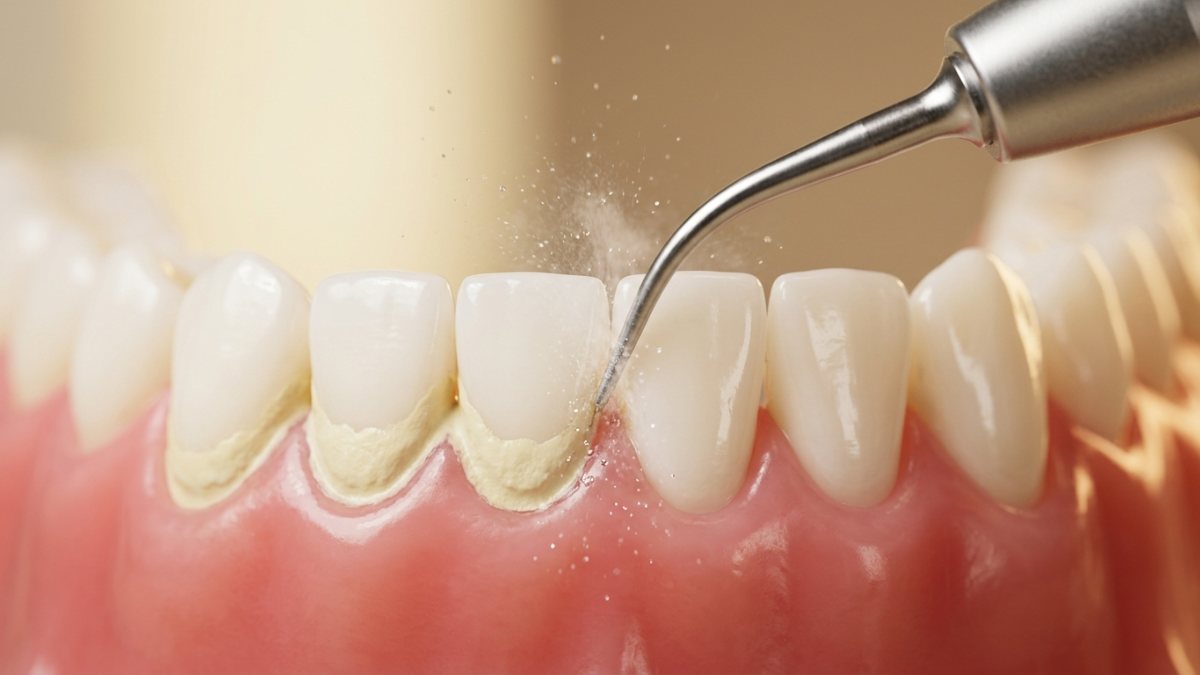
In short: tartar is a hardened layer that forms on teeth and under the gum line, and brushing can't remove it. A scaling and polishing visit removes it with special instruments and polishes the teeth, protecting the gums from inflammation and bleeding. Most people need one every six months; some need it more often.
How does tartar form?
Bacteria and food remains form a soft layer called plaque. If brushing and flossing don't remove it, it hardens over time into yellow or brown tartar, usually collecting behind the lower front teeth and beside the molars.
Signs you need scaling
- Gums bleeding when you brush.
- Red or swollen gums.
- Persistent bad breath.
- A hard yellow or brown layer on the teeth.
- Stains from tea, coffee or smoking.
How does a visit go?
- Checking the teeth and gums.
- Removing tartar with an ultrasonic scaler, which breaks it up with vibration and water, plus fine hand instruments for hard-to-reach places.
- Polishing with a special paste so the surface is smooth and plaque doesn't stick so quickly.
- Advice on cleaning at home, and sometimes fluoride for protection.
A visit usually takes thirty minutes to an hour.
Does scaling harm teeth or widen the gaps?
No. Scaling removes only tartar and doesn't affect the enamel. Some people feel there are gaps afterwards; in fact the tartar was filling those gaps, and the gums improve and tighten over time. You may feel mild sensitivity for a few days, which passes.
How often?
- Every six months for most people.
- Every three to four months for smokers and people with gum inflammation, diabetes, braces, or tartar that builds up quickly.
Reducing tartar at home
- Brush twice a day for two minutes with fluoride toothpaste.
- Use floss or interdental brushes every day.
- Cut down on sugar and fizzy drinks.
- Stop or cut down smoking.
Bleeding gums aren't normal — they're the first sign of gum inflammation, which usually improves after scaling and good home care.
If you notice bleeding or bad breath, book a cleaning at our 6th of October branch or El Saff branch. For brighter teeth after cleaning, read about teeth whitening.
Frequently asked questions
Does scaling hurt?
Does cleaning whiten teeth?
Why do my gums bleed after a cleaning?
More articles
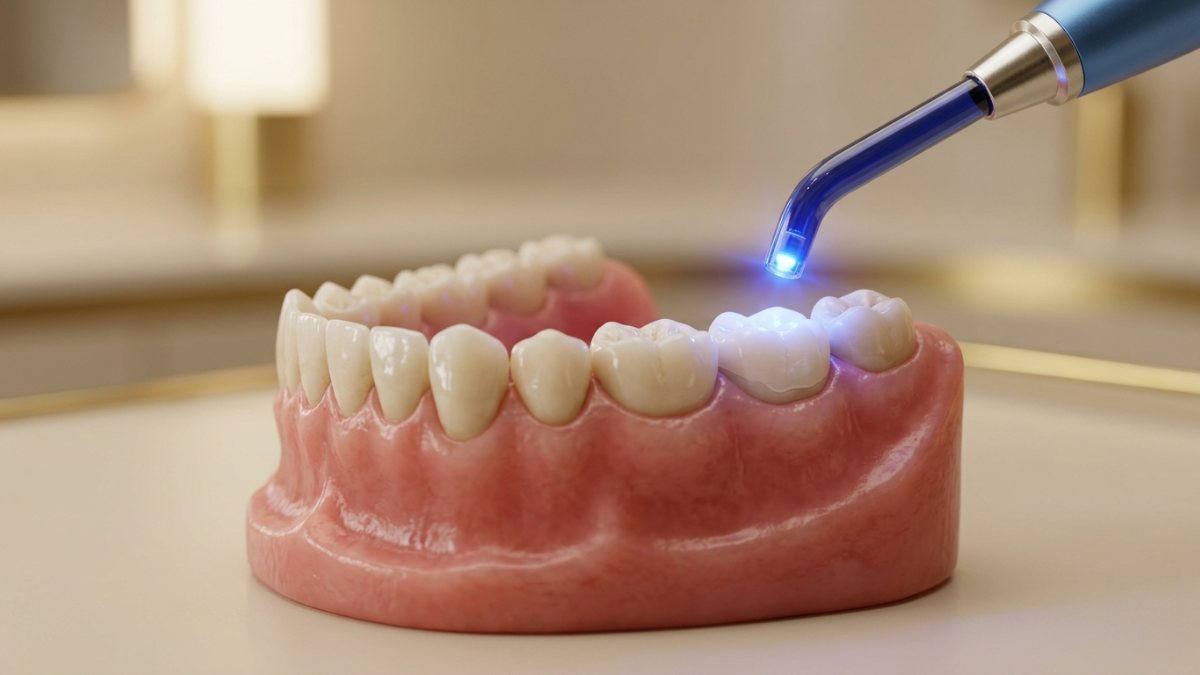
Cosmetic fillings: when you need one, how long it lasts
What a tooth-coloured cosmetic filling is, when it's used for decay, chips and gaps, the steps, and how long it lasts — from Future Dental Center.
Read the article →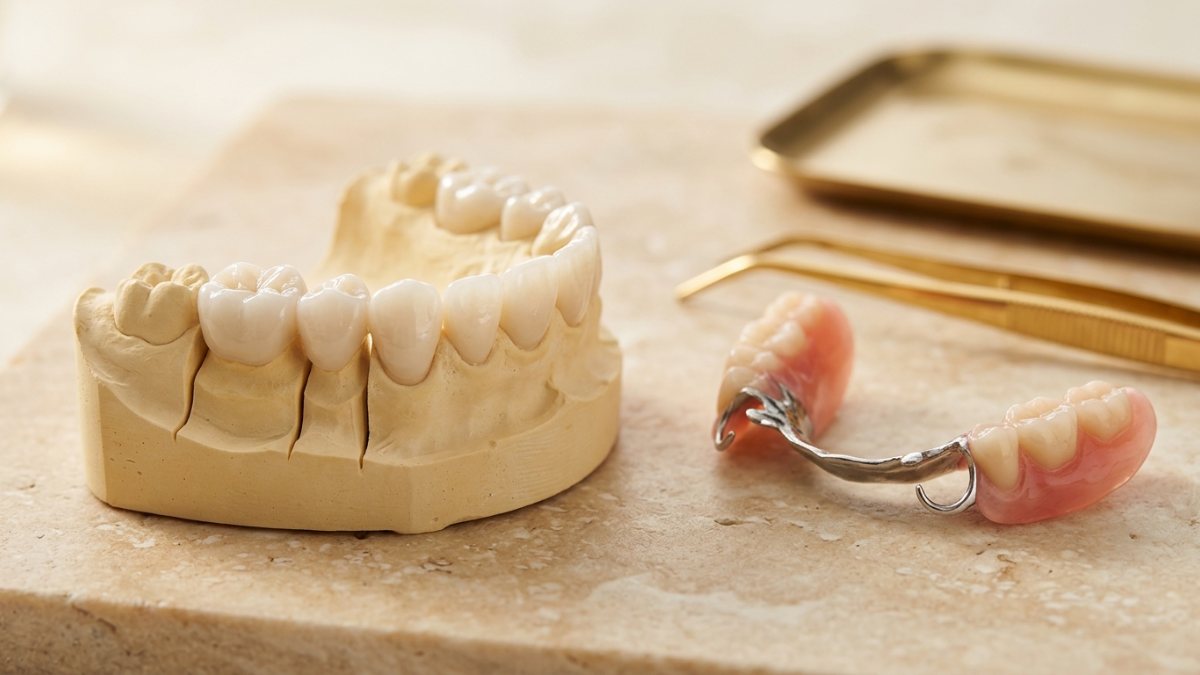
Dental crowns, bridges and dentures: which do you need?
Crowns, bridges and dentures explained: when each is used, the materials, and how to care for them — from Future Dental Center.
Read the article →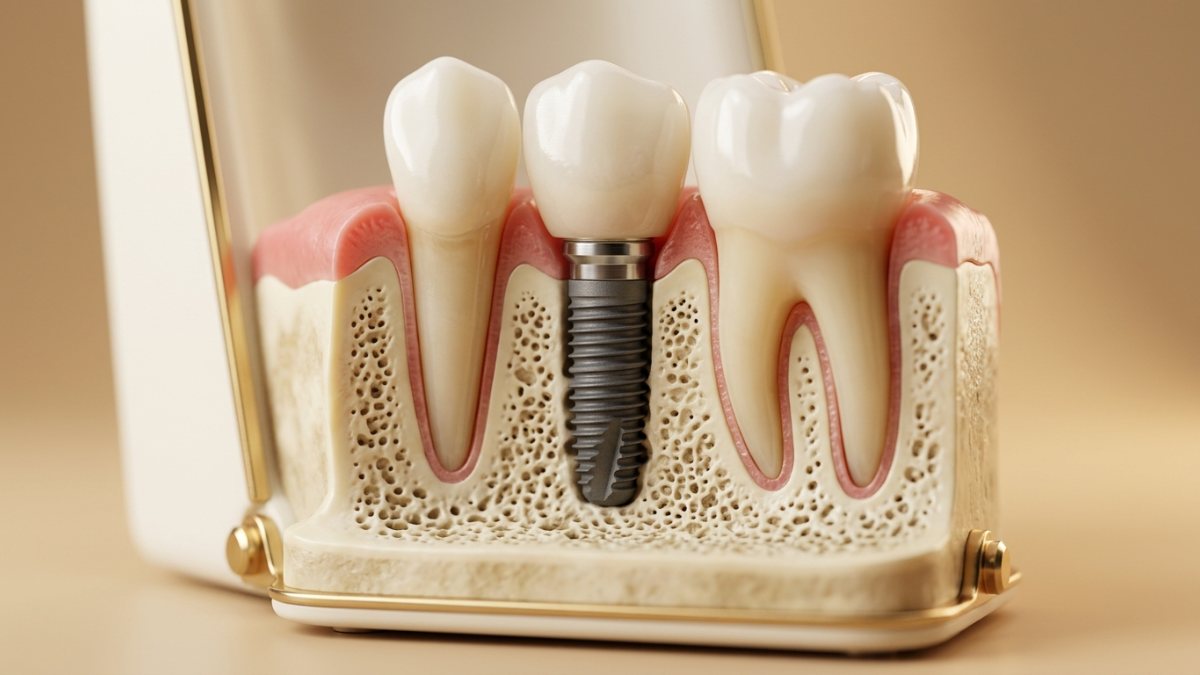
Dental implants: what to know before you start
What dental implants are, who they suit, how long treatment takes and how to look after them — a simple guide from Future Dental Center.
Read the article →