
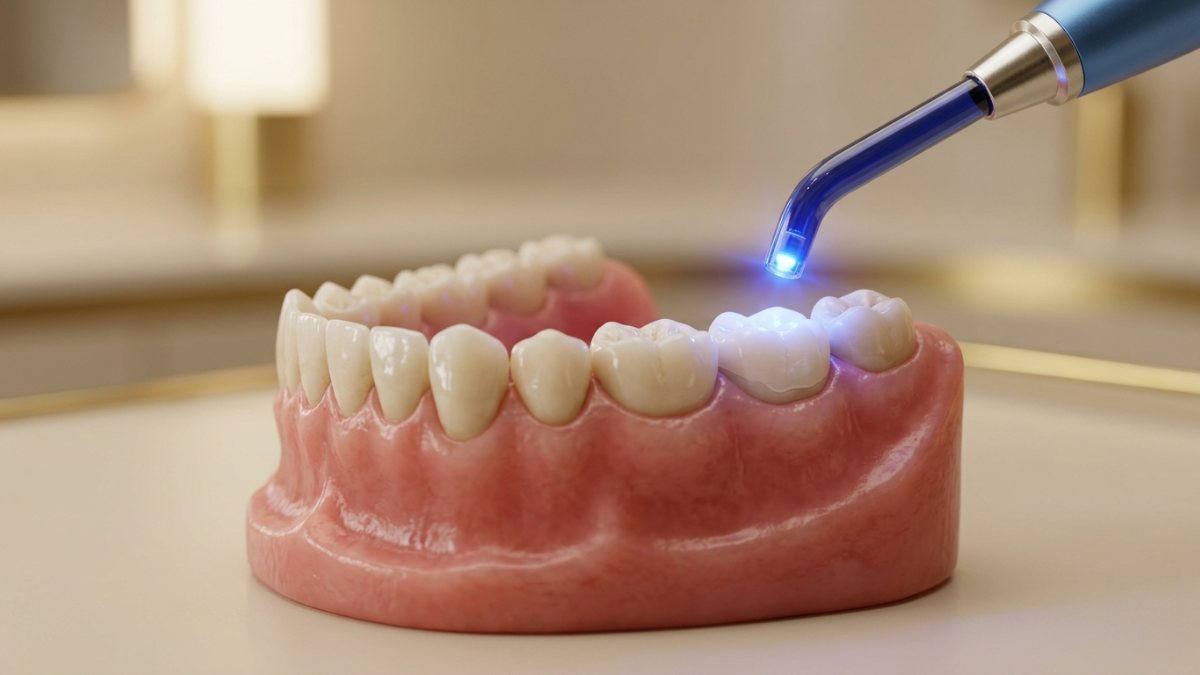
In short: a cosmetic (composite) filling is a tooth-coloured material bonded to the tooth after the decay is removed, restoring its shape and strength without showing. It is usually done in a single visit, and is also used to repair small chips and close small gaps.
When is a cosmetic filling needed?
- Decay that hasn't reached the nerve yet.
- A small chip or crack on the edge of a tooth.
- A small gap between front teeth.
- Replacing an old filling that is dark or broken.
- Wear at the neck of the tooth causing sensitivity.
If decay is deep and has reached the nerve, a root canal is usually needed first, followed by a filling or a crown.
How do you know you have decay?
- Sensitivity to sweet or cold things.
- A brown or black spot, or a hole where food gets caught.
- Mild pain when chewing.
Sometimes decay shows no signs and doesn't hurt — it only appears on an X-ray. That's why a check-up every six months matters.
The steps
- Local anaesthetic if needed.
- Removing the decay and cleaning the tooth.
- Choosing the shade that matches your teeth.
- Placing the filling in layers, each hardened with a special light.
- Shaping, polishing and adjusting the bite.
Composite or silver (amalgam) filling?
A composite filling looks natural and bonds to the tooth, so less healthy tooth needs to be removed. Silver fillings are older and strong, but visible, and are used far less today.
How long does it last?
Composite fillings usually last for years, depending on their size, position and care. What shortens their life:
- grinding, or biting hard things;
- poor cleaning, as decay can return at the edge of the filling;
- tea, coffee and smoking, which can change its colour over time.
Mild sensitivity for the first few days is normal. If pain increases, or the bite feels high, go back to your dentist to adjust it.
If a tooth hurts with sweet or cold things, or has a dark spot, book a check-up at our 6th of October branch or El Saff branch.
Frequently asked questions
Can I eat straight after a composite filling?
Do cosmetic fillings change colour?
Does a filling hurt?
More articles
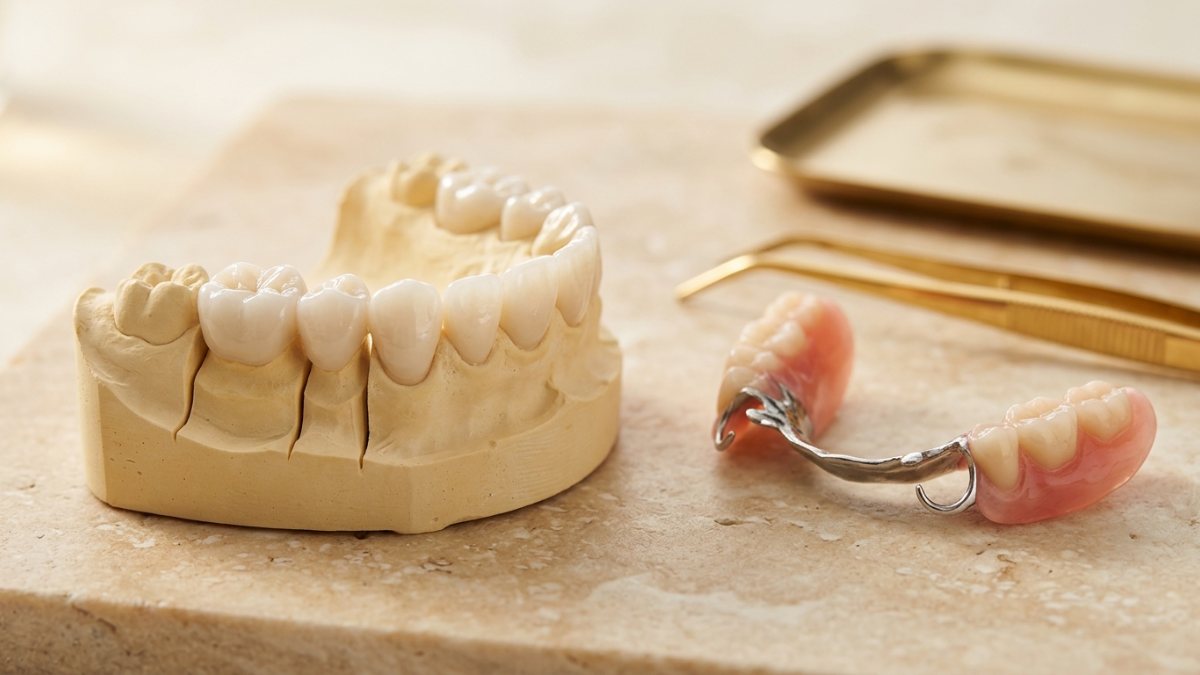
Dental crowns, bridges and dentures: which do you need?
Crowns, bridges and dentures explained: when each is used, the materials, and how to care for them — from Future Dental Center.
Read the article →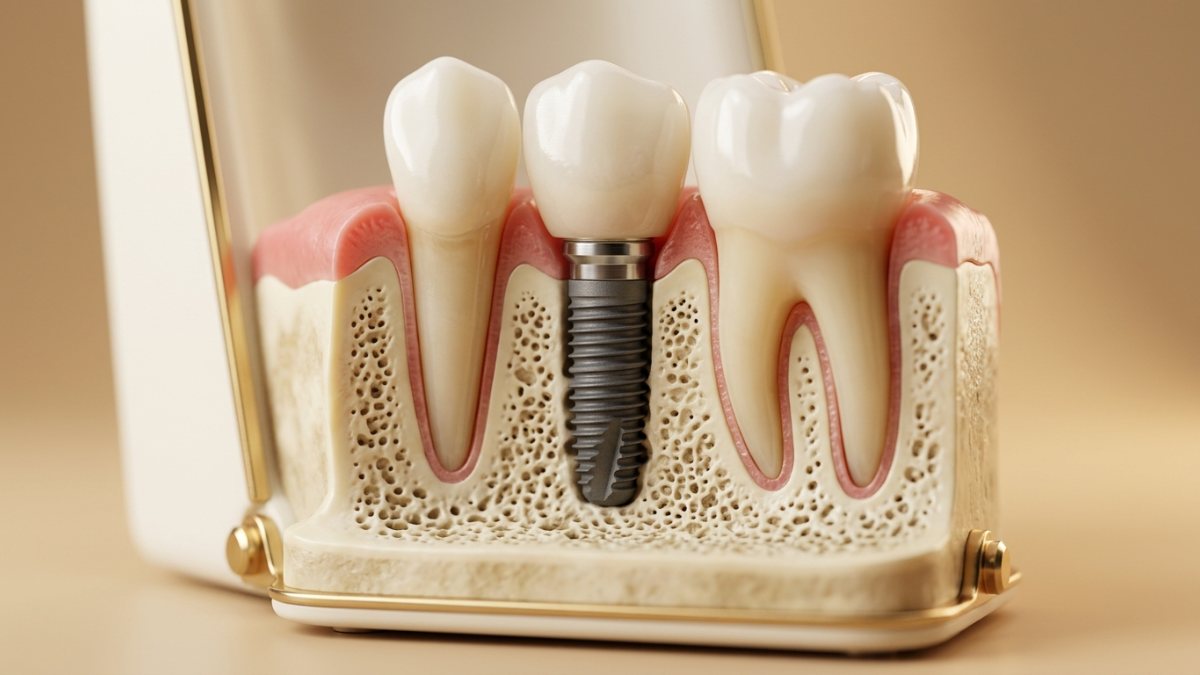
Dental implants: what to know before you start
What dental implants are, who they suit, how long treatment takes and how to look after them — a simple guide from Future Dental Center.
Read the article →
Fluoride for children: how it protects teeth, how often
How a fluoride session strengthens children's teeth and reduces decay, how often to have one, and is it safe — from Future Dental Center.
Read the article →