
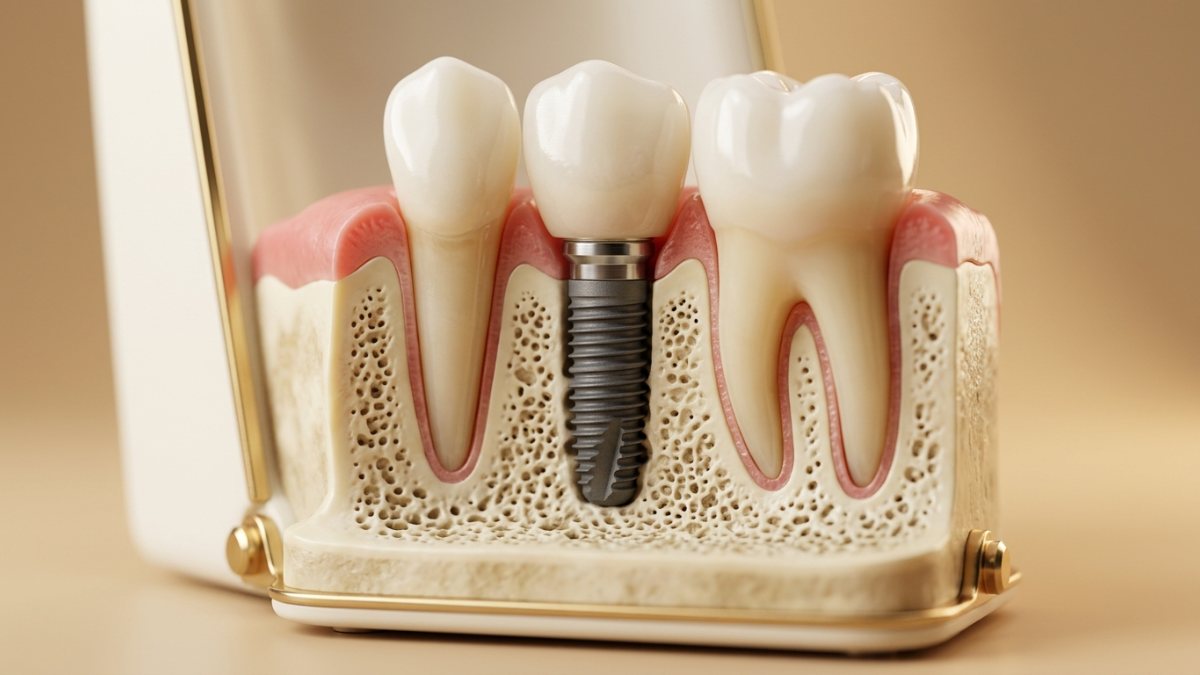
A dental implant is the closest thing to replacing a missing tooth with one that looks, feels and chews like a natural tooth. This article walks through the steps, who can have implants, and what to expect afterwards.
What is a dental implant?
An implant is a small titanium post placed in the jawbone where the root of the missing tooth used to be. Over time the bone bonds around the implant, and then a crown that matches your other teeth is fitted on top.
Titanium is well tolerated by the body and has been used in dentistry for decades, which is why a well-placed, well-cared-for implant can last for many years.
Who are implants for?
Most adults who have lost one or more teeth can have implants, provided that:
- there is enough bone in the jaw to hold the implant (when there isn't, bone grafting can sometimes be done first);
- the gums are healthy, or have been treated first;
- general health is stable — for example, diabetes is well controlled.
Smoking lowers the chance of success, so cutting down or stopping before and after treatment helps. In children and teenagers, implants are postponed until the jaw has finished growing.
How does treatment go?
- Examination and X-rays: the dentist examines your mouth and takes X-rays (sometimes a CBCT scan) to measure the bone and plan the exact position.
- Placing the implant: done under local anaesthetic; most people find it easier than they expected.
- Healing: the bone usually takes two to six months to bond with the implant, depending on where it is and the quality of the bone.
- Fitting the crown: once healed, an impression is taken and the final crown is fitted.
Immediate implants
In some cases the implant can be placed on the same day the tooth is removed, saving time and visits. Immediate implants are not right for everyone: they depend on the amount of bone and the absence of infection, and your dentist decides after the examination and X-rays.
Looking after your implant
- Brush twice a day and clean around the implant with floss or an interdental brush.
- Keep your check-up and cleaning appointments.
- Cut down on smoking, or stop.
- If you grind your teeth at night, ask about a night guard.
The implant itself can't decay, but the gum around it can become inflamed if cleaning is poor — good hygiene is the secret to a long-lasting implant.
Are implants the only option?
No. Bridges and removable dentures are alternatives, each with its own advantages. The right choice for you depends on an examination, X-rays and a conversation with your dentist about your budget and expectations.
If you have a missing tooth and want to know whether implants suit you, book a consultation at your nearest Future Dental Center branch — 6th of October or El Saff.
Frequently asked questions
Do dental implants hurt?
How long do implants last?
Can I have implants if I have diabetes?
More articles
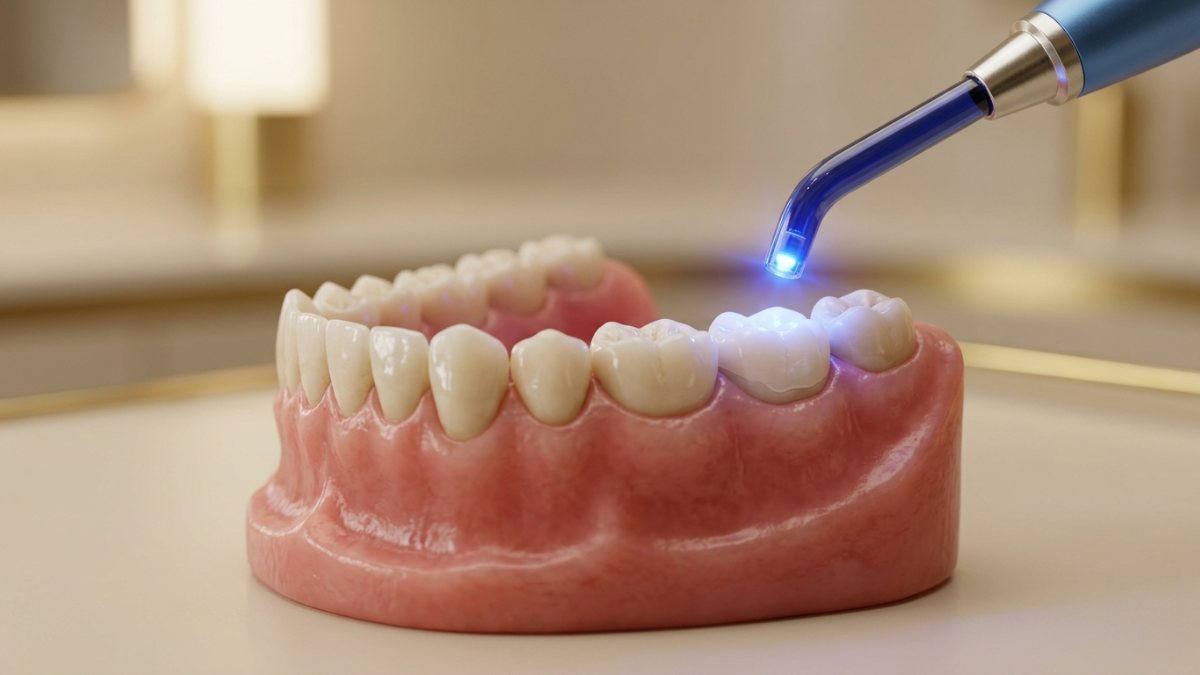
Cosmetic fillings: when you need one, how long it lasts
What a tooth-coloured cosmetic filling is, when it's used for decay, chips and gaps, the steps, and how long it lasts — from Future Dental Center.
Read the article →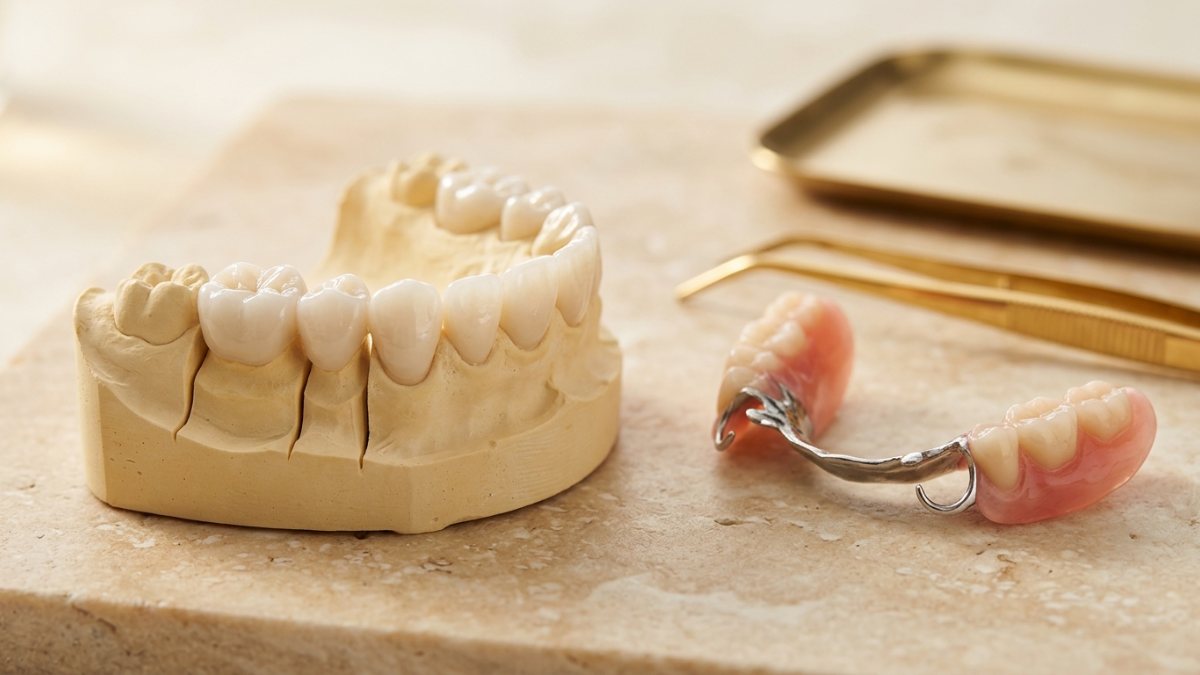
Dental crowns, bridges and dentures: which do you need?
Crowns, bridges and dentures explained: when each is used, the materials, and how to care for them — from Future Dental Center.
Read the article →
Fluoride for children: how it protects teeth, how often
How a fluoride session strengthens children's teeth and reduces decay, how often to have one, and is it safe — from Future Dental Center.
Read the article →