
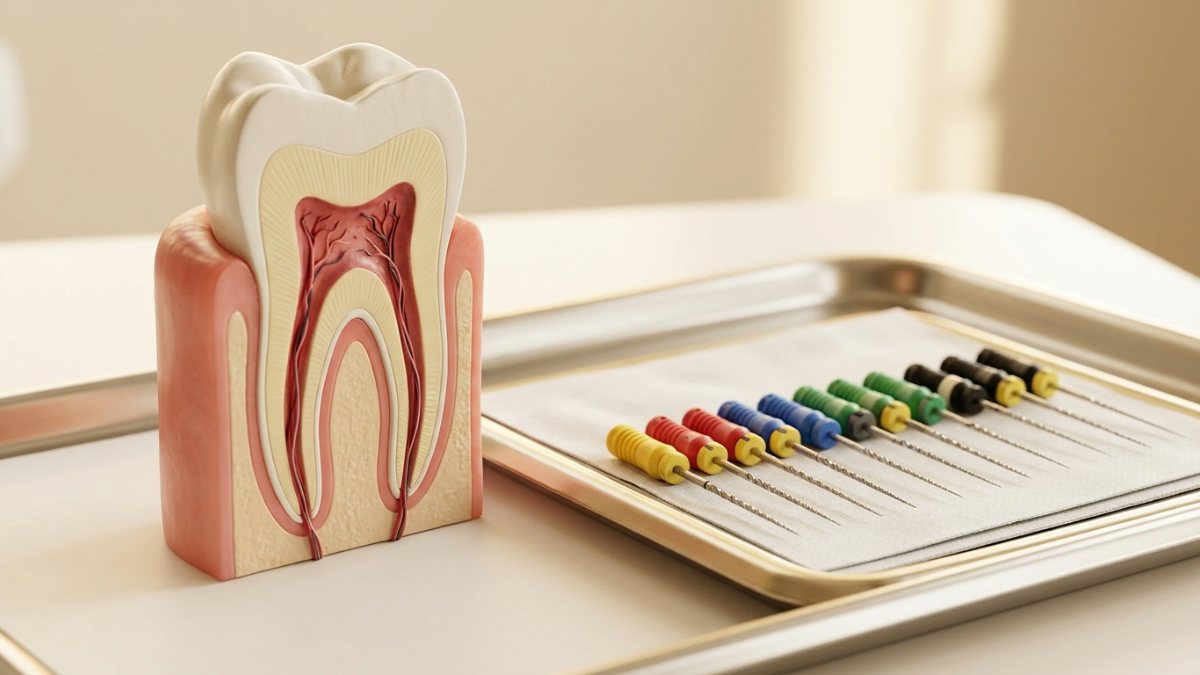
Root canal treatment is one of the procedures people fear most, yet it actually relieves pain and saves your tooth instead of losing it. Here is how it works, step by step.
What is a root canal?
Inside every tooth is soft tissue called the pulp, which holds nerves and blood vessels. When decay reaches the pulp, or the tooth is cracked or knocked hard, the pulp becomes inflamed or infected. In a root canal, the dentist cleans the inflamed pulp out of the canals, disinfects them, and seals them with a special filling material.
Signs you might need a root canal
- Severe pain, or pain that wakes you at night.
- Sensitivity to hot or cold that lingers after the drink is gone.
- Pain when you bite or press on the tooth.
- Swelling in the gum, or a small "gum boil" next to the tooth.
- The tooth turning darker.
Sometimes a tooth needs a root canal without any pain at all and the dentist finds it on an X-ray — which is why regular check-ups matter.
How does treatment go?
- X-rays and examination to see the shape of the canals and how far the inflammation has gone.
- Local anaesthetic so the tooth is completely numb.
- Cleaning and shaping the canals, removing the inflamed pulp and disinfecting the inside of the tooth.
- Filling and sealing the canals — usually done in one or two visits, depending on the case.
- Strengthening the tooth: for back teeth, a crown is often recommended afterwards to protect the tooth from cracking.
Does a root canal hurt?
With local anaesthetic and modern instruments, most people find it feels much like having an ordinary filling. Afterwards there may be some tenderness or mild pain on biting for a few days; this is normal and settles by itself or with a simple painkiller.
The real pain usually comes before treatment, from the inflammation — not from the root canal itself.
Why not just pull the tooth?
Keeping your natural tooth is usually better: it holds the neighbouring teeth in place, keeps your chewing comfortable, and saves the cost of replacing the tooth later with an implant or a bridge. Extraction is the answer when the tooth is too broken or damaged to be saved, and your dentist will tell you if that's the case.
After your root canal
- Avoid chewing on the tooth until the crown or final filling is fitted.
- Keep up your daily brushing and flossing.
- If the pain gets worse instead of better, or swelling appears, contact your dentist.
If a tooth is hurting, don't wait for the inflammation to spread. Book a check-up at our 6th of October or El Saff branch.
Frequently asked questions
How many visits does a root canal take?
Do I need a crown after a root canal?
Can a root canal fail?
More articles
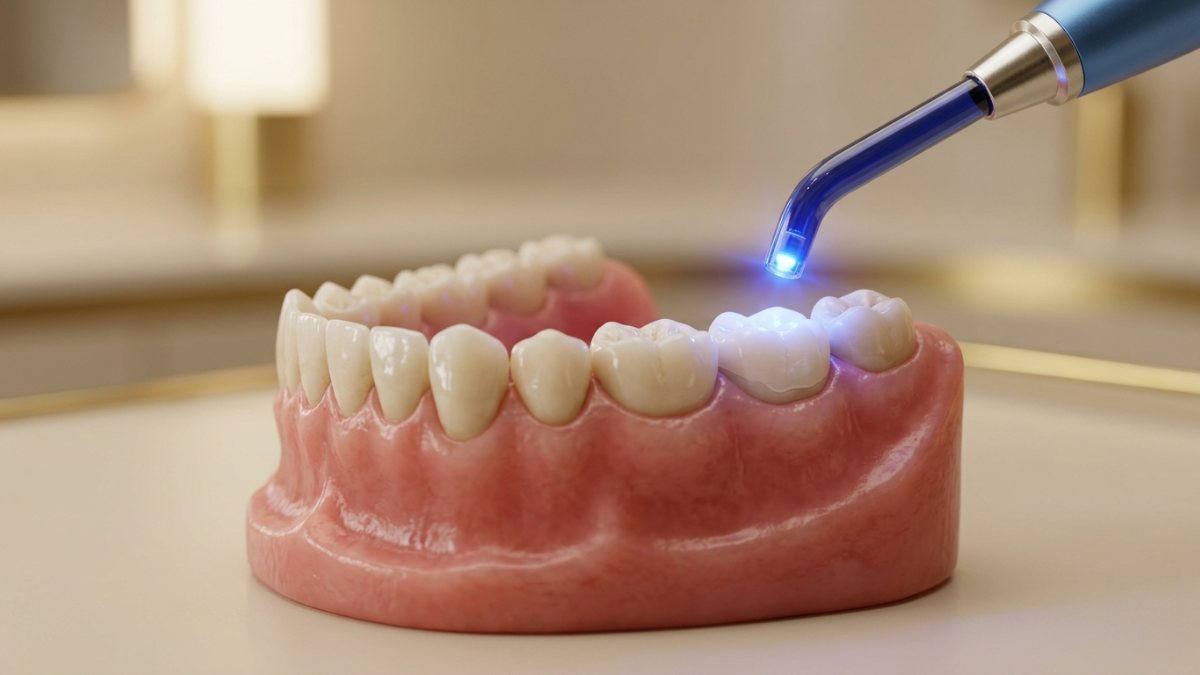
Cosmetic fillings: when you need one, how long it lasts
What a tooth-coloured cosmetic filling is, when it's used for decay, chips and gaps, the steps, and how long it lasts — from Future Dental Center.
Read the article →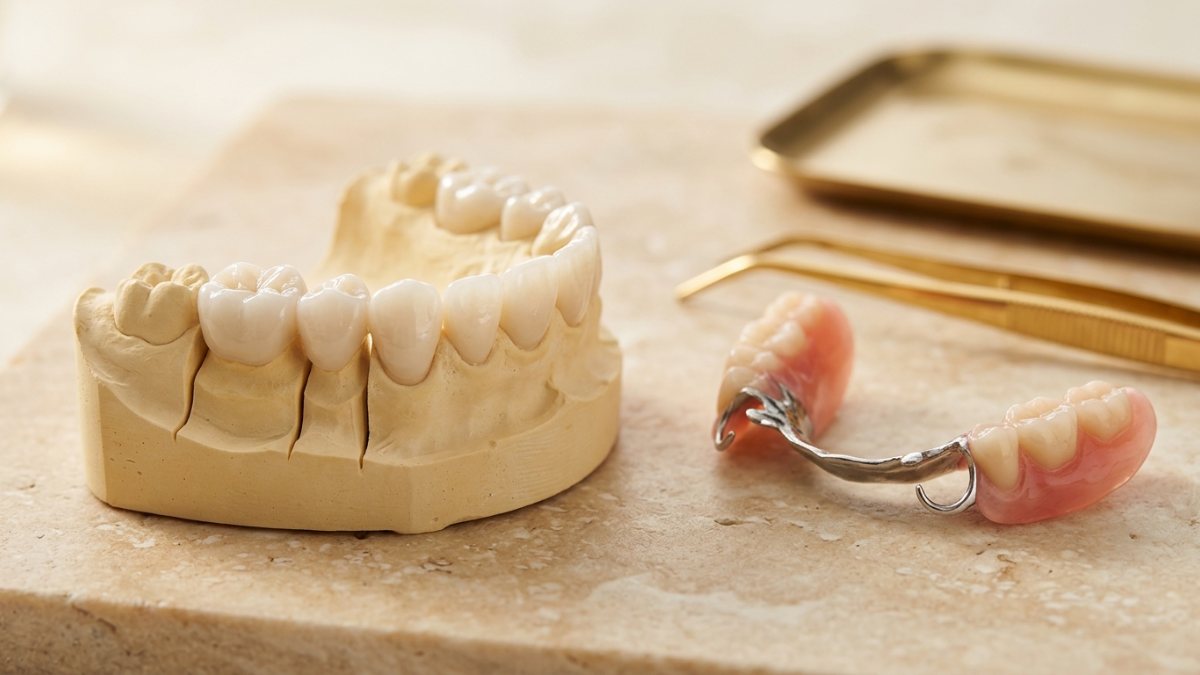
Dental crowns, bridges and dentures: which do you need?
Crowns, bridges and dentures explained: when each is used, the materials, and how to care for them — from Future Dental Center.
Read the article →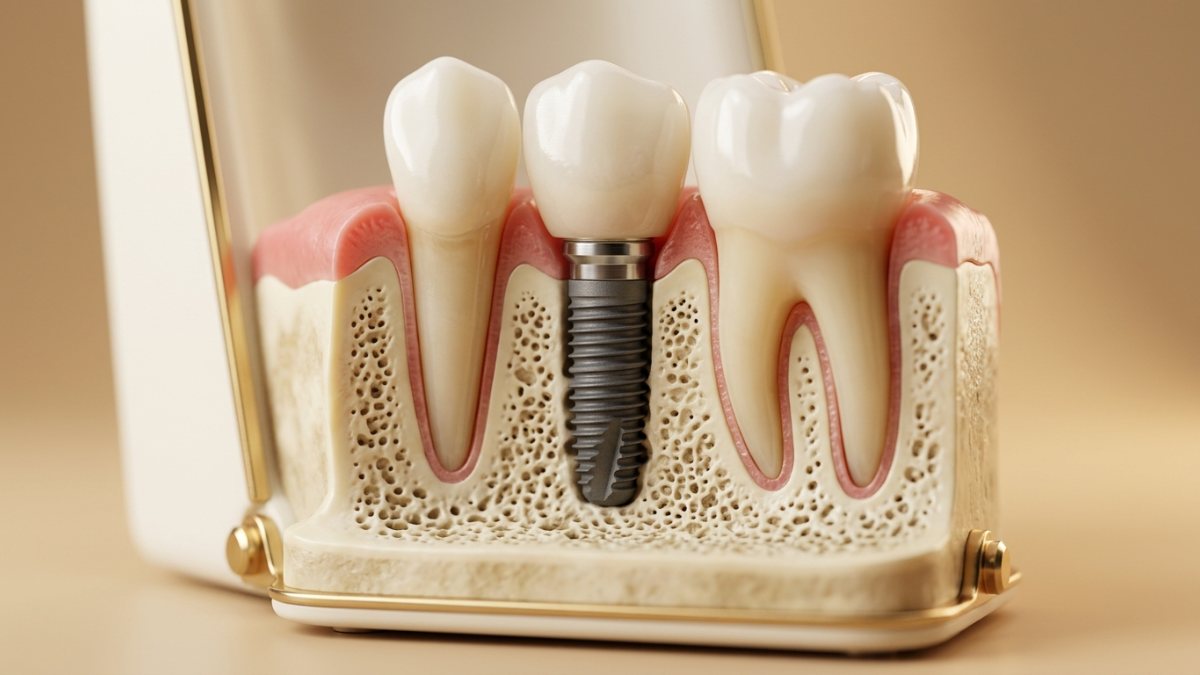
Dental implants: what to know before you start
What dental implants are, who they suit, how long treatment takes and how to look after them — a simple guide from Future Dental Center.
Read the article →